
In the current competitive labor market, one can no longer be an exception by just having degrees and technical competencies. Employers are seeking people who are capable of communicating effectively, being critical and adapting to various circumstances. They are our so-called soft skills or the personal qualities that distinguish the manner in which you operate, relate and develop within a workplace setting. With 2025 in progress, the significance of soft skills has acquired a higher level, making careers and making success in any industry.
What Are Soft Skills?
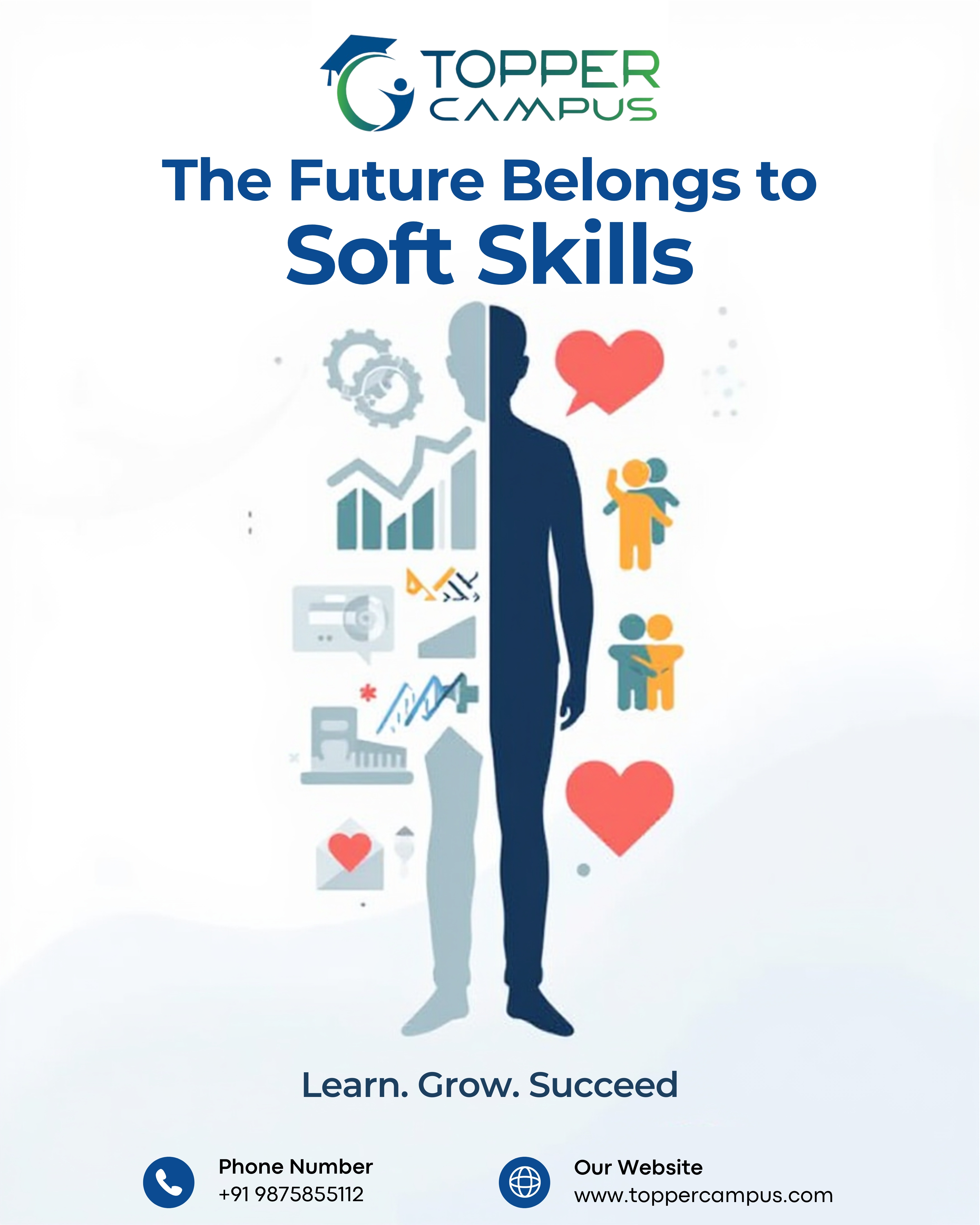
Soft skills refer to interpersonal and emotional intelligence characteristics which determine the effectiveness of an individual in relating with others. They comprise communication, teamwork, leadership, adaptability, problem-solving, emotional intelligence and time management. Soft skills as opposed to technical skills are readily acquired through experience, reflection and practice unlike technical skills which may be acquired through formal education.
The soft skills are becoming more and more important to the employers as they directly affect the productivity and the culture in the workplace. An example is that even a wonderful programmer without collaboration or communication techniques may fail to work in partnerships, and this proves that emotional intelligence is sometimes equally essential as technical prowess.
Why Soft Skills Matter in 2025
The digital transformation, remote working, and AI-driven solutions are making the modern workplace evolve more rapidly than ever. Although technology creates machinery to do the same job over and over, the human skills such as creativity, empathy, and cooperation have not been automatized.
By 2025, organizations will be interested in candidates that are able to deal with change, cross-functional, and relationship- building that will lead to business outcomes. LinkedIn reports that workforce shows that more than 90 percent of employers maintain that soft skills are equally or more significant during hiring compared to hard skills.
The essential Soft Skills to achieve career success.
Communication: This is the skill to be able to articulate thoughts effectively and with confidence through both verbal and written media.
Adaptability: The ability to adapt fast to change particularly in volatile sectors.
Problem-Solving: Addressing problems in a strategic innovative way.
Teamwork: The ability to work together with other people in order to attain shared objectives.
Leadership: Motivating and leading other people, whether it is of position or title.
Emotional Intelligence: Makes one aware of their emotions and also how to manage the same besides being able to imagine the feelings of others.
The skills can enhance employability, as well as assist the professionals to excel in leadership and management.
The way Students can acquire Soft Skills.
Soft skills should be developed by practicing and being exposed. They can be developed by the students participating in group work, doing an internship, volunteering, and being a part of a club or event. Programs such as TopperCampus are helping to direct students into programs that combine training on leadership, communication classes and career advice to aid in the development of these traits.
The keys to improvement are continuous learning and self-knowledge. The greater your level of interactions with the real world, the more powerful are your soft skills.
Conclusion
With the changing industries that are becoming more and more automated and artificial intelligence-based, human-centered skills remain as valuable as ever. The practitioners of the future are those having a mix of technical skills and emotional intelligence as well as communicative skills. Soft skills fulfill the sensory qualities between learning and applying it into practice - transforming a regular employee into an exceptional leader.
To be ready to enter the labor market of tomorrow, begin to work on your soft skill-set. Go to TopperCampus.com and learn about courses and programs that will define a new you, not only in your career, but in your personal development as well.